 Deals Radar
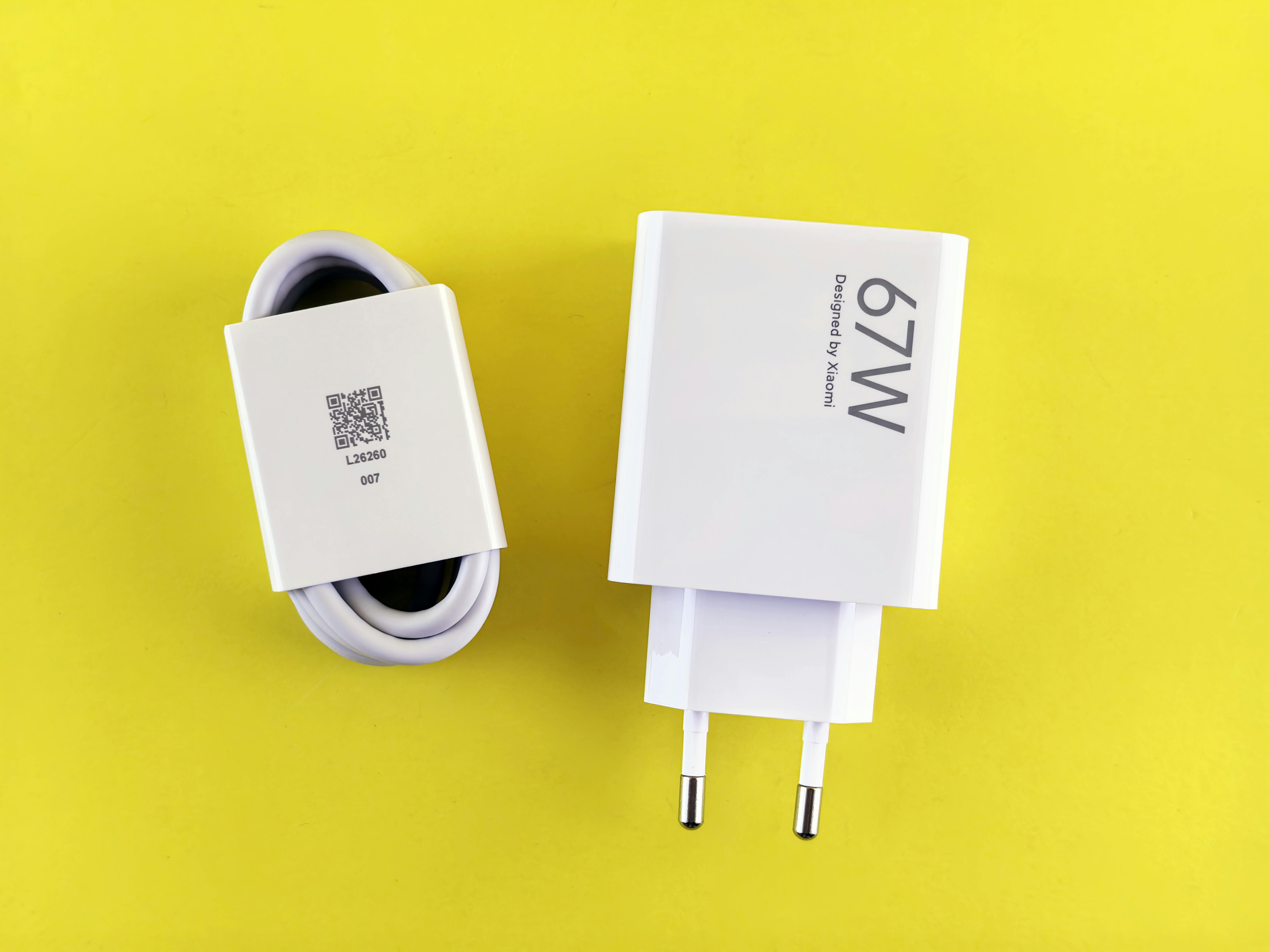
Modern fast charging systems are engineered to protect the battery far more than most people assume.
- A 2-year, 500-cycle test across 40 real phones (HTX Studio) found fast charging caused only a 0.3–0.5% greater capacity loss than slow charging — not enough to notice in daily use.
- Keeping a phone between 30% and 80% charge had a bigger measurable effect (2.5–4% better capacity retention) than charging speed did.
- Heat, not current, is the more genuine risk factor — fast charging in hot environments (cars, direct sunlight, thick cases) compounds thermal stress on the battery.
- Manufacturers already build in protections like Apple's Optimized Battery Charging and Samsung's Protect Battery specifically to limit time spent at full charge, which matters more than charger wattage.
- EU regulations taking effect in February 2027 will require phones to either be user-repairable or prove 80% battery capacity retention after 1,000 charge cycles — pushing the entire industry toward charging systems that protect battery health regardless of speed.
For years this has been treated as settled wisdom: fast charging cooks your battery, slow charging is gentler, and anyone plugging in a 65W or 120W brick every night is quietly shaving years off their phone's lifespan. It's repeated so often that it's rarely questioned. But the actual research — both the academic battery science and real-world testing on actual phones — tells a more specific and less alarming story than the common assumption.
What's Actually Happening Inside the Battery
Lithium-ion batteries degrade through a few specific mechanisms, and fast charging does interact with some of them. The two most relevant are lithium plating and SEI (solid electrolyte interphase) growth. When a battery charges quickly, lithium ions move toward the anode faster than the graphite structure can absorb them in an orderly way. Under high current, and especially in cold conditions, some of that lithium plates onto the surface of the anode instead of properly intercalating. That plated lithium becomes permanently lost capacity since it doesn't reabsorb. A 2022 study published in Frontiers in Energy Research built a detailed electrochemical model confirming this is the dominant early-stage degradation mechanism specifically under fast-charging conditions.
So the underlying chemistry is real. The question that actually matters for a phone owner is how much this translates into noticeable battery wear in a real device, under real conditions, over a real ownership period.
What 500 Real Charge Cycles on Actual Phones Showed
This is where the picture gets genuinely useful, because someone ran the experiment properly instead of theorising about it. A YouTube channel called HTX Studio conducted a two-year test across 40 phones — a mix of iPhones and Android devices — split into groups: one charged exclusively with fast charging, one with slow 5–18W charging, one kept strictly between 30% and 80%, and a control group left untouched. Each group went through 500 full charge cycles before battery capacity was measured.
The results were smaller than almost anyone expects. On the iPhone 12, fast charging produced a 0.5% lower battery capacity after 500 cycles compared to slow charging. On the iQOO 7 tested at 120W, the gap was even narrower at 0.3%. For context, 500 charge cycles is roughly 1.5 to 2 years of normal daily use for most people. A half-percent difference in capacity retention over that period isn't something most users would ever notice — the phone would feel identical regardless of which charger was used.
The 30–80% group did show a real benefit, gaining about 2.5–4% more retained capacity compared to phones cycled fully between 0% and 100%. That's a larger and more consistent effect than the fast-versus-slow charging comparison, and it lines up with established battery science: keeping a lithium-ion cell away from its extreme voltage states reduces stress on the electrode structure. If there's one habit that actually moves the needle, it's this one — not which charger wattage gets used.
Why the Real-World Gap Is Smaller Than the Lab Science Suggests
The honest answer is that the phone is actively protecting itself, and modern fast charging isn't quite what most people picture when they hear the term. A 65W or 120W charger doesn't apply that full power to the battery cell for the entire charging session. Charging happens in two phases: a constant-current phase where the battery accepts high current while at low charge, and a constant-voltage phase where current tapers off as the battery approaches full. Manufacturers design this curve so the highest current is applied only when the battery can safely absorb it — typically up to around 70–80% state of charge — after which the rate drops sharply specifically to avoid the plating and heat issues described above.
On top of that, every phone has a charging controller chip that negotiates with the charger and limits how much power the battery actually receives, regardless of the brick's rated wattage. Plug a 100W charger into a phone that only supports 33W charging, and the phone will only draw 33W. The common framing of fast charging assumes uncontrolled high current being forced into the cell, which isn't how any certified, properly designed charging system actually works.
Manufacturers have also built specific software protections around this exact concern. Apple's Optimized Battery Charging, available since iOS 13, learns the user's typical wake time and deliberately holds the battery below 80% overnight, completing the final charge shortly before the alarm — minimising time spent at full charge, which is itself a stress state for the cell. Samsung's Protect Battery feature does something similar by hard-capping charge at 85% when enabled. Google Pixel's Adaptive Charging mirrors the same approach. None of these features exist to slow down fast charging itself — they exist to reduce time spent at high state-of-charge, which the data suggests matters more than charging speed.
Heat Is the Part That Actually Deserves Attention
If there's a legitimate caveat in all this, it's heat, not current. Fast charging does generate more heat than slow charging, and heat genuinely accelerates the chemical degradation pathways inside a lithium-ion cell, independent of charge rate. A comparative analysis published in MDPI in 2026 measured peak battery temperatures of 41.5°C during 67W charging sessions, notably higher than under standard charging. That's a real physical effect.
But this is also exactly what thermal management systems are designed to mitigate, and most phones do this reasonably well. Fast charging in a hot car, under direct sunlight, or with a thick case trapping heat against the back of the phone stacks thermal stress on top of the charging process itself, and that combination is genuinely worse than fast charging in a cool, ventilated environment. The charger isn't the variable doing the damage in that scenario — the environment is.
The Manufacturer Trade-Offs Are Visible If You Look at Their Numbers
There's also a quieter signal in how manufacturers have chosen to engineer their charging systems, which suggests they take heat and degradation seriously even without saying so loudly. Apple has kept iPhone charging conservative — around 27–30W on its most recent Pro models — while Samsung's flagships sit around 45W. Compare that to Android phones from some other manufacturers pushing 120W or higher. Apple's approach is explicitly the more conservative one, and third-party testing from outlets like iFixit and Battery University has shown iPhone batteries consistently retaining around 85–88% capacity at the 500-cycle mark, holding up well against faster-charging competitors. That isn't proof fast charging is harmful — the HTX Studio data already shows the wattage difference alone is tiny — but it does suggest manufacturers see enough of a margin to make conservative choices rather than chasing the fastest possible charging speed.
This is becoming a regulatory matter in its own right. Starting February 2027, EU rules will require most phones sold in the bloc to either support user-replaceable batteries or prove their battery retains 80% capacity after 1,000 full charge cycles to qualify for an exemption. Apple has reportedly already hit that bar with recent iPhone models, and public EU product database listings reportedly rate the iPhone 17 Pro Max for 1,000 cycles. Some Android manufacturers are reportedly going further still — one report has cited a recent budget Nothing Phone model rated at 1,400 cycles. This regulatory pressure is effectively pushing the entire industry toward charging systems that protect long-term battery health regardless of charging speed, which should make the fast-charging-versus-battery-life debate even less relevant within the next few product generations.
So What Should You Actually Do
Based on what the data shows, some habits are worth adopting and others aren't worth the mental energy they're often given.
Worth doing: Avoid letting a phone sit at 0% or 100% for long stretches when it can be helped — use the manufacturer's battery protection feature (Optimized Charging on iPhone, Protect Battery on Samsung, Adaptive Charging on Pixel) where available. Avoid fast charging in genuinely hot environments — a car dashboard in summer, direct sunlight, or under a thick case. Use the phone's original charger or a certified equivalent rather than an uncertified third-party brick, since certified chargers properly negotiate power delivery with the phone's controller.
Not worth worrying about: Which wattage charger gets used day to day, assuming it's a legitimate, certified charger. Whether a fast charger is used occasionally instead of a slow one for a single session. Topping up a phone for twenty minutes during the day with a fast charger instead of leaving it on a slow trickle charge overnight.
The honest summary is that fast charging, done with a real charger from a real manufacturer on a modern phone, is not the battery-killer it's often made out to be. The actual measured difference in a controlled, 500-cycle, real-device study was under one percent. The factors that move the needle more — full discharge-to-full-charge cycling, heat exposure, and total calendar time — have comparatively little to do with how many watts a charger is rated for.
Frequently asked questions
Does fast charging really damage phone battery life?
The measurable effect is much smaller than commonly believed. A 500-cycle real-device test across 40 phones found fast charging caused only a 0.3–0.5% greater capacity loss compared to slow charging — a difference not noticeable in daily use. The lithium plating mechanism that causes fast-charging degradation is real at a chemical level, but modern charging systems are engineered to minimise it in practice.
Is it better to charge my phone overnight with a slow charger?
It's generally safe either way, but not ideal for long-term battery health regardless of charging speed. Overnight charging keeps the battery at or near 100% for extended periods, which is itself a stress state for lithium-ion cells. Using a manufacturer's optimized or adaptive charging feature, which holds the battery below 100% until shortly before a set alarm, is more effective than simply switching to a slower charger.
Does keeping my phone between 20% and 80% charge actually help battery life?
Yes, this had a more measurable effect than charging speed in real-device testing — phones kept between 30% and 80% retained 2.5–4% more battery capacity after 500 cycles compared to phones cycled fully between 0% and 100%. This aligns with established lithium-ion battery science: avoiding extreme voltage states reduces stress on the electrode structure over time.
Why do iPhones charge slower than some Android phones?
Apple has consistently taken a more conservative approach to charging speed, capping recent iPhone Pro models around 27–30W compared to some Android flagships exceeding 100W. Third-party testing has shown iPhone batteries retaining around 85–88% capacity at the 500-cycle mark, which suggests Apple's conservative charging curve contributes to strong long-term capacity retention, though it isn't the only factor involved.
Will new regulations change how phone batteries are designed?
Yes. Starting February 2027, EU regulations will require most phones sold in the bloc to either support user-replaceable batteries or demonstrate that their battery retains 80% capacity after 1,000 full charge cycles to qualify for an exemption. Several manufacturers have already begun engineering toward this threshold, which is likely to push the broader industry toward charging systems that protect battery longevity regardless of charging speed.
Does using a third-party charger damage my phone's battery faster?
Uncertified or poorly made third-party chargers can be more likely to cause issues, mainly because they may not properly implement the power negotiation and thermal management protocols that certified chargers use to communicate safely with a phone's charging controller. Using the original manufacturer charger or a certified equivalent (look for official USB-PD or relevant fast-charging certification logos) is a safer choice than an unbranded or uncertified high-wattage charger.
You might also like

Amazon Prime Day 2026 Quiz Answers, Spin and Win Contests, and Funzone Games (Updated Daily)
Read Article →
Best 55-Inch QLED TVs Under ₹50,000 in India (2026)
Read Article →